GUIDENodes, 6 chapters
Do nodes earn money? Who gets paid, chain by chain
A plain full node earns nothing: on Bitcoin, Ethereum and almost every other chain, it costs money and pays no reward. Nodes that help make blocks can be paid: validators, masternodes and block producers. They have to lock up coins, stay online and accept that they can lose money.
We read the reward rules of seven networks in their own docs and set them side by side: who is paid, what they must put up, and how they can lose.
We quote no yield figures, because they move with prices and stake. Where a network publishes its own estimate, we say so.
 HeroRPC teamPublished
- Updated
- Rules checked
- Read
- 6 min
Where do you want to start?
In this guideThe quick answer
Quick answer
Do crypto nodes earn money?
Full nodes: no. Bitcoin and Ethereum pay nothing for running a node. You run one to check the chain yourself and to have your own access to it.
Validators and masternodes: they can. Ethereum validators stake 32 ETH; Dash masternodes lock 1,000 DASH; Solana validators pay up to 1.1 SOL a day in vote fees before they earn.
Nothing is guaranteed. Rewards depend on uptime, stake and the coin's price, and some networks can take part of your stake for mistakes.
- Full nodes: paid nothing
- Validators: paid, with stake at risk
- Hosting is a cost either way
CHAPTER 01
Do Bitcoin and Ethereum nodes make money?
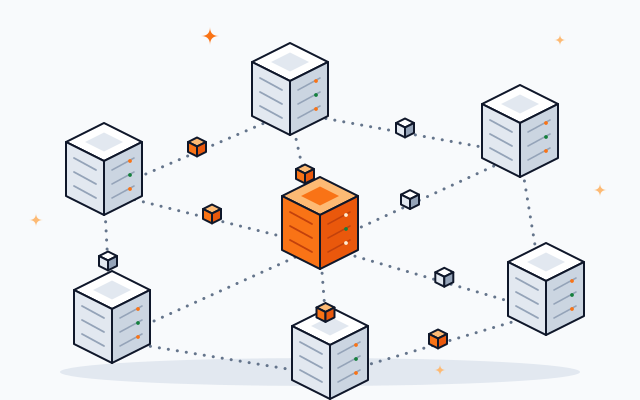
No. A full node is a cost, not an income.
No. A Bitcoin or Ethereum full node earns nothing. On Bitcoin, only miners are paid, for finding blocks; on Ethereum, only validators with staked ETH. Running a node costs hardware, power and bandwidth.
bitcoin.org describes running a node as supporting the network, and says it "comes with certain costs and can expose you to certain risks". It mentions no reward. ethereum.org says anyone can run an Ethereum node without depositing any ETH; only validators who stake are paid.
Why run one anyway
- Trust nobody else's answers: your node checks every block itself
- Your own access: no shared rate limits, no third party seeing your requests
- A business: apps, wallets and exchanges need nodes to work
What a node costs to run is worked out in the Ethereum node cost guide.
CHAPTER 02
Which nodes get paid: seven chains compared
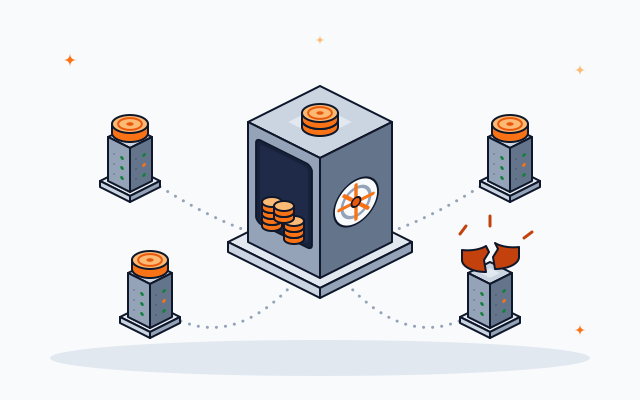
Validators, masternodes and producers, and what each must put up.
Nodes that help make or approve blocks are paid: Ethereum, Cosmos, Avalanche and Solana validators, Dash masternodes and Tron Super Representatives. Each must lock coins or pay costs first, and each can earn less, or lose money, if it goes offline.
| Network | Paid role | What you put up | How you can lose |
|---|---|---|---|
| Bitcoin | Miners only; full nodes are not paid | Mining hardware and power | Spending more on power than blocks pay |
| Ethereum | Validators | 32 ETH per validator | Small penalties offline; slashing for double signing |
| Solana | Validators (RPC nodes are not paid) | Stake, plus vote fees of about 1 to 1.1 SOL a day | Vote fees with too little stake to cover them |
| Cosmos Hub | Validators in the top 180 | Your own and delegated ATOM | 5 percent slashed for double signing, 0.01 percent for downtime |
| Avalanche | Validators | At least 2,000 AVAX | No reward below 90 percent uptime |
| Dash | Masternodes (and miners) | 1,000 DASH collateral | Dropped from payments after an hour offline |
| Tron | The 27 Super Representatives, plus partners | 9,999 TRX burned to apply, and votes | Falling out of the top by votes |
From each network's own docs, checked October 2026. Rules change by governance; check the live parameters before you commit money.
CHAPTER 03
Where node rewards come from
New coins, fees, and commission from delegators.
Rewards come from three places: newly created coins (inflation or block rewards), transaction fees, and, on many proof-of-stake chains, commission on the rewards of people who delegate to you.
New coins
Each block creates coins for the block makers. Tron pays its producers 8 TRX per block; Cosmos Hub inflates ATOM into block provisions.
Fees
Users pay to send transactions. On Solana, the leader of a slot keeps a share of the fees in that slot.
Commission
On Cosmos, a validator takes a commission on the rewards its delegators earn, so it earns more than its own stake alone.
A fixed share
Dash pays masternodes a share of every block. Its docs estimate roughly 7 percent of collateral a year, falling as the block reward drops.
CHAPTER 04
Can a validator pay for itself?

Rewards minus hosting, minus vote fees, minus risk.
Sometimes. A validator pays for itself when its rewards, in coins, sold at today's price, beat its hosting, its running costs and the value of the risk on its stake. Small validators often fall short: on Solana, vote fees alone are about a SOL a day before any reward.
- Step 1: Count the yearly rewardsFrom the network's current rate on your stake, plus any commission. Use the live figure, not a headline one.
- Step 2: Turn them into moneyAt today's coin price. Run the sum again at half the price.
- Step 3: Take away the costsHosting, vote fees, and the cost of locking your coins instead of using them.
- Step 4: Allow for lossesDowntime, missed rewards and, where it applies, slashing.
Question 1: Does your node help make or approve blocks?
NOA full node: no reward
YESGo to 2
Question 2: Have you locked the required stake or collateral?
NONot paid until you do
YESGo to 3
Question 3: Will it stay online and in the active set?
NOLittle or no reward, and possible penalties
YESPaid, if rewards beat your costs
CHAPTER 05
"Run a node and earn" offers to avoid
Guaranteed node income is a warning sign.
Be wary of anyone selling a node that pays a fixed return. Real node rewards depend on the network, your stake and uptime, and none of the networks above guarantees an income.
CHAPTER 06
Hosting a validator with HeroRPC
We run the server; you stake from your own wallet.
HeroRPC hosts validator nodes for Cosmos ($219 a month) and Solana ($579 a month). You stake from your own wallet, keep your keys, and keep every reward. We never promise rewards: whether a validator pays for itself depends on the network and your stake.
See the Cosmos validator and Solana validator pages, or every node type on node pricing.
QUESTIONS
Node earnings questions
Do Bitcoin nodes make money?
No. Bitcoin pays miners for finding blocks, not full nodes for checking them. A full node costs bandwidth, storage and power, and earns nothing from the protocol.
Do Ethereum nodes earn money?
A plain Ethereum node does not. A validator, which needs 32 ETH staked per validator, is paid by the protocol while it is online and can be penalised for downtime or slashed for double signing.
Do Solana RPC nodes earn rewards?
No. Anza's docs say RPC operators do not receive rewards because they do not vote. Validators earn rewards but pay about 1 to 1.1 SOL a day in vote fees.
How much does a masternode earn?
Dash's docs estimate a masternode earns roughly 7 percent of its 1,000 DASH collateral a year, falling as the block reward drops. A masternode offline for over an hour is dropped from payments.
Can I lose money running a validator?
Yes. Hosting and vote fees are paid whether or not rewards cover them, and some networks slash stake: the Cosmos Hub takes 5 percent for double signing and 0.01 percent for long downtime.
Does HeroRPC pay node rewards?
No. Rewards come from the network, not from us. We host the node; you stake from your own wallet and keep any rewards it earns.
ABOUT
How we made this guide
In October 2026 we read the node and staking docs of Bitcoin (bitcoin.org), Ethereum (ethereum.org), Solana (Anza), the Cosmos Hub, Avalanche, Dash and Tron. We list each network's own rules and quote no reward rates except where the network publishes one. Rules are set by each network and can change through governance.
Written by
Written and checked by the people who run HeroRPC's builder and node servers. Every figure links to its source.
Published . Last updated .
Host the validator, keep the rewards
Validator nodes from $219 a month. You stake from your own wallet and keep every reward.