GUIDELaw, 6 chapters
Is it legal to create a cryptocurrency?
In the US, the EU and the UK, creating a cryptocurrency is generally legal: it is writing and running software. The rules start when you sell the coin to the public, promote it, list it or run a service that holds other people's coins. This guide shows where each rule starts, from the official texts. It is general information, not legal advice.
We read the texts themselves: the SEC's March 2026 interpretation of how securities law applies to crypto assets, MiCA Article 4 in the EU, FinCEN's 2019 guidance and the UK's rules for crypto marketing.
Each chapter covers one stage of a coin's life, so you can see which rules apply to what you plan to do. Before you sell to anyone, talk to a lawyer where you and your buyers are.
 HeroRPC teamPublished
- Updated
- Laws checked
- Read
- 7 min
Where do you want to start?
In this guideThe quick answer
Quick answer
Is it legal to make your own cryptocurrency?
Creating it is generally legal in the US, the EU and the UK. FinCEN's guidance says building and selling the software is not in itself money transmission.
Selling it brings rules: in the US, a sale can be an investment contract if buyers rely on your promised work for profit; in the EU, a public offer needs a white paper unless an exemption applies.
Promoting and running services bring more: the UK restricts who may market crypto to consumers, and exchanges and wallets that hold other people's coins need licences in most places.
- Creating: generally legal
- Selling and promoting: rules apply
- Not legal advice: ask a lawyer
CHAPTER 01
Creating and running the software

Writing code and running nodes, before anyone buys.
Writing blockchain software, launching a network and running nodes is generally legal. In the US, FinCEN says a developer or seller of a new currency platform may be exempt from money transmission rules for creating or selling it. Mining and staking rewards on public networks are not securities transactions, according to the SEC.
FinCEN guidance FIN-2019-G001 (May 2019) says someone who develops or sells a software application or a new virtual currency platform may be exempt from money transmission rules for that work. The same person becomes a money transmitter if they also use it as a business to accept and send other people's money or coins.
The SEC's interpretation of 17 March 2026 (Release 33-11412) says protocol mining and protocol staking, as it describes them, do not involve the offer and sale of a security. Its fact sheet adds that certain airdrops involve no "investment of money".
CHAPTER 02
Selling coins in the US: when is it a security?
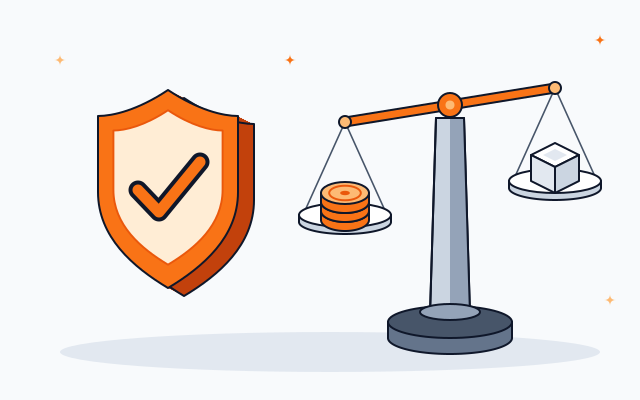
Money, plus your promised work, plus expected profit.
Under the SEC's March 2026 interpretation, a coin that is not itself a security becomes part of an investment contract when its issuer induces people to invest money with promises of essential work from which buyers would reasonably expect profits. The contract ends when those promises are kept or fail.
The SEC fact sheet sorts crypto assets into five groups. Digital commodities (whose value comes from a working network and supply and demand), digital collectibles (including meme coins), digital tools and GENIUS Act stablecoins are not securities. Digital securities, such as tokenized shares, are.
What turns a sale into an investment contract is the promise, not the code. The SEC's test still rests on the Supreme Court's Howey case, and courts are not bound by the SEC's interpretation.
CHAPTER 03
Selling coins in the EU: MiCA
A public offer needs a white paper, unless it is small.
Under MiCA Article 4, offering a crypto-asset to the public in the EU requires a legal person and a notified, published white paper. The duty does not apply to offers to fewer than 150 people per member state, offers of up to EUR 1,000,000 over 12 months, or offers only to qualified investors.
MiCA Article 4 also leaves some coins out entirely: crypto-assets offered for free, coins created automatically as a reward for maintaining the ledger or validating transactions (mining and validator rewards), and utility tokens for a good or service that already exists.
| Situation | White paper needed? |
|---|---|
| Coins earned by mining or validating | No, excluded by Article 4(3) |
| Coins given away for free | No, if nothing is asked in return (personal data counts as payment) |
| Sale of up to EUR 1,000,000 in 12 months | No, exempt by Article 4(2) |
| Sale to fewer than 150 people per country | No, exempt by Article 4(2) |
| A public sale above those limits | Yes: a legal person, a white paper, notification and publication |
From ESMA's text of MiCA Article 4, checked October 2026.
Listing changes the picture too. Exchanges in the EU need a MiCA white paper before they list a coin; Kraken asks for one filed at least 20 business days before listing. Our crypto whitepaper guide explains what goes in it.
CHAPTER 04
Promoting coins to UK consumers
Only four routes are lawful, for firms anywhere.
Since 8 October 2023, anyone marketing crypto to UK consumers, including firms abroad, must use one of four routes set by the FCA: be FCA-authorised, have an authorised firm approve the promotion, be an FCA-registered crypto business, or meet an exemption. Promotions need risk warnings and a 24-hour cooling-off period.
The FCA says the regime applies to all cryptoasset firms marketing to UK consumers, including those based overseas. In practice, a new coin founder who is none of these cannot lawfully run ads or "buy now" campaigns aimed at UK consumers.
CHAPTER 05
Running an exchange, wallet or other service
Holding or moving other people's coins needs a licence.
Running a service that holds, exchanges or transfers other people's coins is regulated almost everywhere: a money services business in the US, a crypto-asset service provider under MiCA in the EU, and a registered cryptoasset business in the UK.
FinCEN's guidance draws the line clearly: building the software is one thing; using it as a business to accept and transmit value is money transmission. It also says a mining pool paying out rewards is not money transmission, unless the pool also keeps wallets for its members.
Wallets where users hold their own keys are treated differently from services that hold keys for them. If you plan to hold anyone else's coins, plan for a licence.
CHAPTER 06
What HeroRPC does, and does not do
We build software. Selling, promoting and listing are yours.
HeroRPC builds and hosts your blockchain software. We do not sell your coin, promote it, list it on an exchange or hold your private keys, and we do not give legal or tax advice.
- You get the server logins, and premine keys are created in your browser.
- We never hold your private keys, so we never hold your users' coins.
- We make no listing promise. See how listing works.
- We do not advise on law or tax. Talk to a lawyer before you sell.
Planning the coin itself? Start with how to create a cryptocurrency.
QUESTIONS
Crypto law questions
Is it legal to create a cryptocurrency?
In the US, the EU and the UK, creating one is generally legal: it is writing and running software. Selling it to the public, promoting it and running services that hold other people's coins bring rules. This is general information, not legal advice.
Is it illegal to make your own crypto coin?
Not in itself in the US, the EU or the UK. Some countries restrict or ban crypto activity, so check the law where you and your buyers are, and get advice before selling.
Do I need a licence to create a cryptocurrency?
Usually not to create it. FinCEN's 2019 guidance says developing or selling the software may be exempt from US money transmission rules. Running an exchange or holding other people's coins does need a licence in most places.
Is my coin a security?
In the US it depends on how it is sold. The SEC's 17 March 2026 interpretation says a coin becomes part of an investment contract when buyers invest money relying on the issuer's promised work for profit. Only a lawyer can assess a specific coin.
Do I need a white paper in the EU?
For a public offer, yes, unless it is at most EUR 1,000,000 over 12 months, to fewer than 150 people per member state, or only to qualified investors. Coins earned by mining or validating are excluded from these rules.
Can I advertise my coin in the UK?
Only through one of the FCA's four routes, in place since 8 October 2023: being authorised, having an authorised firm approve the promotion, being an FCA-registered crypto business, or an exemption. The rules apply to firms abroad too.
ABOUT
How we made this guide
In October 2026 we read SEC Release 33-11412 and its fact sheet, ESMA's text of MiCA Article 4, FinCEN guidance FIN-2019-G001 and the FCA's page on crypto marketing to UK consumers. We summarise them in plain words and link each one. This is general information, not legal advice, and laws change; check the current text and ask a lawyer before you sell.
Written by
Written and checked by the people who run HeroRPC's builder and node servers. Every figure links to its source.
Published . Last updated .
Build the coin, keep the keys
HeroRPC builds and hosts your blockchain. You hold the keys and decide how it is shared.